Best Beaches in Hawaii
Volcanic black sands, golden crescents, world-class surf, and the warm embrace of aloha spirit across the islands of paradise.
Hawaii exists at the intersection of geology and paradise. Born from volcanic eruptions on the floor of the Pacific Ocean millions of years ago, the Hawaiian archipelago has been shaped by the same forces that continue to create new land on the Big Island today. Each island represents a different chapter in this geological story, and the beaches reflect that diversity with a richness found nowhere else on Earth. On a single island, you can walk from a beach of jet-black volcanic sand to a crescent of powdery white coral to a pocket of rare green olivine sand, each a product of the island's unique geological age and composition. This variety makes Hawaii the most geologically interesting beach destination in the world.
But Hawaii's beaches are not defined by their geology alone. They are defined by the culture that has revered and protected them for more than a thousand years. Native Hawaiian traditions view the ocean, or kai, as a sacred source of life, sustenance, and spiritual connection. The concept of aloha aina, love of the land, extends to the coastline and the sea, and it shapes how locals interact with their beaches in ways that visitors are invited to respect and embrace. Surfing, which was invented by ancient Hawaiians and was practiced by royalty as a spiritual act, remains central to the culture of every island. The sound of slack-key guitar drifting from a beachside gathering, the scent of plumeria carried on the trade winds, the sight of a green sea turtle hauled out on the sand for an afternoon nap: these are the moments that make a Hawaiian beach experience feel fundamentally different from any other beach destination on the planet.
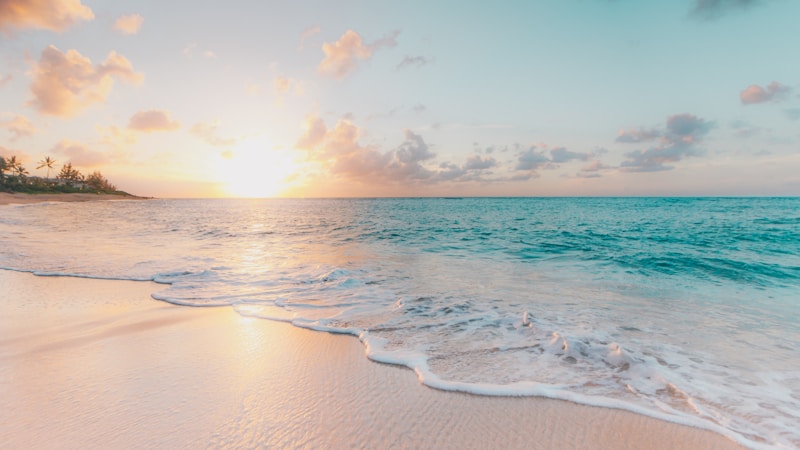
Top 8 Hawaiian Beaches
1. Waikiki Beach, Oahu
Waikiki is the beach that introduced the world to Hawaiian beach culture, and despite more than a century of development, it retains a magnetic energy that draws over four million visitors per year. The beach stretches for about two miles along the southern shore of Honolulu, backed by the iconic skyline of hotels that has defined the Hawaiian vacation experience since the Royal Hawaiian opened in 1927. Diamond Head crater, the extinct volcanic tuff cone that anchors the eastern end of Waikiki, provides one of the most recognizable backdrops in beach photography, its green slopes rising above the surf like a sleeping giant.
What makes Waikiki special is not seclusion or pristine wilderness but rather its role as the birthplace of modern surfing and its unmatched accessibility. The long, gentle waves that roll into Waikiki are among the most forgiving in Hawaii, making this the ideal spot to take your first surf lesson. The legendary Duke Kahanamoku, who popularized surfing worldwide in the early twentieth century, learned to ride waves on this very stretch of water, and his bronze statue on the beach promenade remains a pilgrimage site for surfers from every continent. Beyond surfing, Waikiki delivers shopping, dining, nightlife, and cultural attractions including the Bishop Museum and Iolani Palace within easy reach.
Water temperature at Waikiki stays between 75 and 80 degrees Fahrenheit year-round. The south-facing shore means Waikiki receives its best swells during summer months (May-September), when south swells generate fun, surfable waves. Winter months are calmer on this shore, making it perfect for swimming and paddleboarding. Hotels along Waikiki range from $200-400 per night for standard rooms to $800 or more for oceanfront suites at properties like the Halekulani and the Royal Hawaiian. Daniel K. Inouye International Airport in Honolulu puts you 25 minutes from the beach by car.
2. Kaanapali Beach, Maui
Kaanapali Beach on Maui's western shore is what happens when a world-class beach meets thoughtful resort development. The beach stretches for three miles along the coast, a broad ribbon of golden sand backed by a paved oceanfront walkway that connects half a dozen major resorts, shopping at Whalers Village, and a collection of restaurants that range from casual beach grills to fine dining with ocean views. The sand is soft and inviting, the water is clear and calm for most of the year, and the views across the Auau Channel to the islands of Molokai and Lanai give every sunset a sense of theatrical grandeur.
The northern end of Kaanapali, known as Black Rock or Puu Kekaa, is the beach's most dramatic feature. A volcanic promontory juts into the sea, creating a natural platform from which visitors leap into the deep water below in a tradition inspired by ancient Hawaiian legends of the souls of the dead leaping from this point into the afterlife. The snorkeling around Black Rock is exceptional, with clear visibility, abundant tropical fish, and regular appearances by green sea turtles that cruise the rocky reef. Each evening at sunset, a hotel employee lights torches along the cliff and performs a ceremonial dive in honor of the Hawaiian tradition, a ritual that draws crowds to the beach nightly.
Water temperature off West Maui ranges from 75 to 80 degrees Fahrenheit. The western coast is sheltered from trade wind swells, making Kaanapali swimmable year-round with the calmest conditions from April through November. Resort prices along Kaanapali range from $300-500 per night for standard rooms to $1,000 or more for premium oceanfront suites. Kahului Airport on Maui receives direct flights from the US mainland, and the drive to Kaanapali takes about 45 minutes through sugarcane fields and past stunning coastal views.
3. Hapuna Beach, Big Island
Hapuna Beach State Recreation Area on the Big Island's Kohala Coast is consistently rated among the top beaches in the United States and for good reason. The beach is a half-mile crescent of fine white sand, unusually wide by Hawaiian standards, set against a backdrop of dry, golden hillsides that give the Kohala Coast its distinctive desert-meets-ocean character. The water is deep blue and exceptionally clear, with visibility often exceeding 50 feet, and the beach slopes gradually into the sea, making it excellent for bodyboarding and bodysurfing when moderate swells roll in.
What sets Hapuna apart from Hawaii's more famous resort beaches is its state park setting, which preserves a more natural, less commercialized atmosphere. There are no high-rise hotels overlooking the sand, no beach chair rental attendants, and no amplified music. Instead, you find well-maintained restroom and shower facilities, a shaded picnic area with barbecue grills, and a lifeguard station staffed daily. The result is a beach that feels genuinely Hawaiian: spacious, beautiful, and oriented toward the simple pleasures of sand, sun, and surf rather than resort-driven consumption.
Water temperature off the Big Island's Kohala Coast ranges from 75 to 80 degrees Fahrenheit. Summer months (May-September) typically bring calmer conditions ideal for swimming and snorkeling, while winter swells can produce powerful shore break that experienced bodyboarders relish but novice swimmers should respect. State park entry is $5 per vehicle. The nearest resort area, Mauna Lani, offers accommodation from $350-700 per night. Kona International Airport is about 30 minutes south, with direct flights from the US West Coast and inter-island connections from Honolulu.
4. Poipu Beach, Kauai
Poipu Beach on the sunny south shore of Kauai has earned its reputation as the most reliable beach on the Garden Isle, blessed with the driest climate on an island famous for its prodigious rainfall. While the north shore of Kauai receives more than 400 inches of rain per year in some areas, feeding the lush valleys and cascading waterfalls that earned the island its nickname, Poipu basks in an average of just 30 inches and enjoys clear skies more than 300 days per year. The beach itself is a series of interconnected crescents separated by rocky outcrops, creating a variety of swimming environments from calm, protected pools ideal for children to more open stretches where sea turtles regularly surface.
The endangered Hawaiian monk seal, one of the rarest marine mammals on Earth with a population of roughly 1,400 individuals, is a regular visitor to Poipu's shores. These massive, gentle creatures haul themselves out of the surf to rest on the warm sand, and volunteers from the local community place protective barriers around them to ensure visitors maintain a respectful distance. Watching a monk seal doze on the beach, oblivious to the humans around it, is a powerful reminder of the conservation ethic that runs deep in Hawaiian culture. The snorkeling on either side of the rocky tombolo that connects the main beach to a small offshore island reveals a healthy reef ecosystem with convict tangs, humuhumunukunukuapuaa (the Hawaiian state fish), and colorful parrotfish.
Water temperature off Kauai's south shore ranges from 74 to 79 degrees Fahrenheit. The south-facing exposure means Poipu is at its calmest from April through October, though it remains swimmable year-round in most conditions. Accommodation in the Poipu area ranges from $200-400 per night for condominiums and vacation rentals to $500 or more at the Grand Hyatt Kauai. Lihue Airport is about 25 minutes east, with direct flights from the US mainland and frequent inter-island connections.
5. Lanikai Beach, Oahu
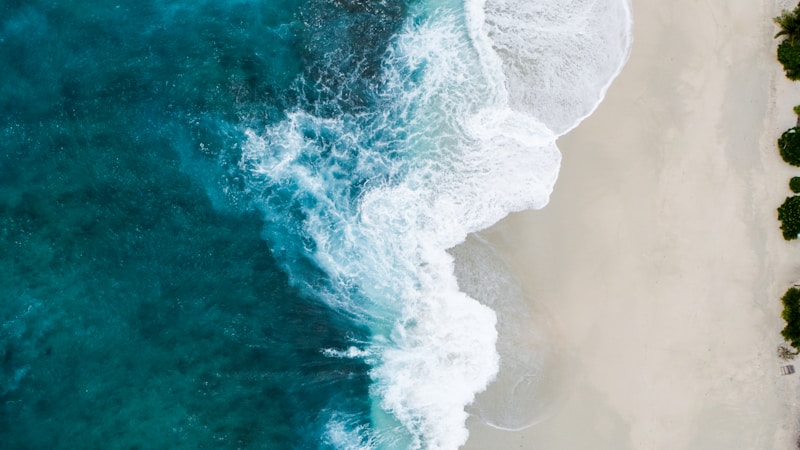
Lanikai Beach is the quiet, residential counterpart to Waikiki's bustling energy, a half-mile stretch of powder-fine white sand on Oahu's windward coast that regularly appears on lists of the most beautiful beaches in the world. The name itself means "heavenly sea" in Hawaiian, and one look at the translucent aquamarine water confirms the accuracy of that description. Two small offshore islands, Na Mokulua, or simply "the Mokes," frame the view and serve as a popular kayaking destination, their green slopes and sandy shores adding depth and beauty to an already extraordinary scene.
Lanikai's beauty comes with a caveat: there are no public facilities, no parking lot, and no lifeguards. Access is through narrow public rights-of-way between the residential properties that line the beach, and street parking in the neighborhood is limited and subject to enforcement. This lack of infrastructure is both a weakness and a strength. It keeps crowds manageable and preserves the residential tranquility that defines Lanikai's character, but it requires visitors to come prepared with their own water, food, and sun protection. Arrive early in the morning for the best light, the most parking options, and the profound experience of floating in warm, gin-clear water with the Mokes framed against a sky painted in shades of pink and gold.
Water temperature at Lanikai stays between 75 and 80 degrees Fahrenheit year-round. The windward coast receives trade wind swells that can create choppy conditions in winter, but Lanikai's position in the lee of the Kailua headland provides more shelter than other windward beaches. Accommodation options in nearby Kailua town include vacation rentals from $150-300 per night and boutique bed-and-breakfasts. Lanikai is about 30 minutes from Honolulu airport via the Pali Highway, one of Oahu's most scenic drives.
6. Papohaku Beach, Molokai
Papohaku Beach on the western shore of Molokai is Hawaii's largest white sand beach, stretching for nearly three miles along a coastline that feels a world apart from the resort development of Maui and Oahu. Molokai is the least commercially developed of Hawaii's accessible islands, with no traffic lights, no buildings taller than a coconut tree, and a deep commitment among its predominantly Native Hawaiian population to preserving traditional culture and values. Papohaku embodies this spirit: a vast, empty expanse of golden sand where you may walk for half an hour without encountering another person.
The scale of Papohaku is almost disorienting. The beach is so wide and so long that the human figures scattered along its length shrink to specks against the immensity of sand and sky. On clear days, the island of Oahu is visible across the Kaiwi Channel, a blue silhouette on the western horizon. The ocean here can be powerful, with strong currents and shore break that make swimming inadvisable during winter months, but the beach itself is ideal for long walks, meditation, and the rare experience of genuine solitude on a Hawaiian shoreline. The sunsets from Papohaku, unobstructed across the open Pacific, are among the most spectacular in all of Hawaii.
Water temperature off Molokai ranges from 74 to 79 degrees Fahrenheit. Summer months (May-September) bring calmer ocean conditions, though the beach is best appreciated for its atmosphere rather than its swimming. Papohaku Beach Park has restrooms, picnic facilities, and free camping with a permit. Accommodation on Molokai is limited to a handful of vacation rentals and the Hotel Molokai, with prices ranging from $100-250 per night. Small commuter planes connect Molokai to Honolulu and Maui in about 25 minutes. Visitors to Molokai are respectfully encouraged to approach the island with cultural sensitivity, recognizing its status as the most Hawaiian of the major islands.
7. Punaluu Black Sand Beach, Big Island
Punaluu Black Sand Beach is one of the most visually striking shorelines in Hawaii, where volcanic forces have created a beach of jet-black sand that contrasts dramatically with the white foam of the surf and the green fronds of the coconut palms that line the shore. The sand is composed of basalt fragments, created when hot lava from Kilauea volcano flowed into the cold ocean and shattered into tiny, glassy particles. The result is a beach that looks like nowhere else on Earth, with a texture that is coarser than typical sand and a surface that absorbs the tropical sun and becomes intensely warm underfoot by midday.
Punaluu is one of the most reliable places in Hawaii to see honu, the Hawaiian green sea turtle, hauled out on the beach. These ancient, protected creatures rest on the warm black sand, sometimes in groups of half a dozen or more, and watching them is one of the great wildlife experiences the islands offer. Federal and state law requires visitors to maintain a distance of at least 10 feet from turtles, and volunteers are frequently on hand to ensure compliance and answer questions about turtle biology and conservation. The beach park includes a pavilion area with picnic tables, restrooms, and information displays about the area's volcanic geology and cultural significance.
Water temperature off Punaluu ranges from 74 to 79 degrees Fahrenheit. The beach faces south, so ocean conditions are generally calmer than north-facing shores, though currents can be strong near the rocky edges of the bay. Swimming is possible but better suited to experienced ocean swimmers. The beach is located about 55 miles south of Kona on the scenic Hawaii Belt Road that circles the Big Island. Nearby accommodation in Volcano Village or Naalehu ranges from $80-200 per night. Punaluu is often combined with a visit to Hawaii Volcanoes National Park, about 30 minutes north, for a day that showcases the Big Island's extraordinary volcanic landscape.
8. Tunnels Beach (Makua Beach), Kauai
Tunnels Beach on Kauai's north shore is the Hawaiian beach that underwater enthusiasts dream about. Named for the network of lava tube tunnels and caverns that run beneath the reef, this crescent of golden sand sits beneath the dramatic green ramparts of the Na Pali Coast mountains, with the pointed peak of Makana (Bali Hai from the film South Pacific) rising in the background. The reef at Tunnels is among the largest and most complex on Kauai, extending several hundred yards offshore and supporting an ecosystem of remarkable density and diversity that makes this one of the premier snorkeling and diving destinations in all of Hawaii.
The inner reef creates a series of protected pools and channels where snorkelers can drift over coral gardens teeming with butterfly fish, Moorish idols, green sea turtles, and the occasional whitetip reef shark resting on the sandy bottom. Further out, the reef drops away into deeper water where manta rays, eagle rays, and schools of larger fish patrol the edge. The beach itself is stunning, a wide strip of sand bordered by ironwood trees that provide shade and frame views of the impossibly green mountains behind. During summer, when the north shore is at its calmest, Tunnels becomes one of the most idyllic snorkeling spots in the Pacific.
Water temperature off Kauai's north shore ranges from 74 to 79 degrees Fahrenheit. Tunnels is a summer beach: from May through September, the ocean is typically calm and the snorkeling conditions are at their best. From October through April, large north Pacific swells transform this shore into a powerful surf zone that is beautiful to watch from the beach but extremely dangerous for swimming. Parking is very limited at Tunnels, and a reservation through the Haena State Park system is required. Accommodation in the Hanalei area ranges from $200-500 per night. The drive from Lihue Airport takes about 75 minutes along one of Hawaii's most scenic coastal roads.
Hawaii Beach Etiquette
Visiting Hawaiian beaches with cultural awareness and respect deepens the experience and honors the communities that have stewarded these shorelines for generations. All beaches in Hawaii are public, a right enshrined in the state constitution, and this means that even beaches fronting luxury resorts are open to everyone. However, with this access comes responsibility. Never touch, approach, or disturb Hawaiian green sea turtles (honu) or Hawaiian monk seals. Both are protected by federal law, and the minimum approach distance is 10 feet for turtles and 50 feet for seals. These animals choose Hawaiian beaches because they feel safe here; maintaining that safety is a shared obligation.
Respect the ocean and understand its power. Hawaii's beaches are not swimming pools, and even experienced swimmers are caught by strong currents, shore break, and sudden changes in conditions. Always swim at beaches with lifeguards when possible, particularly if you are unfamiliar with Hawaiian ocean conditions. Observe the golden rule: if in doubt, do not go out. Take nothing from the beach except photographs: removing sand, rocks, coral, and shells is both culturally disrespectful and environmentally harmful, and Hawaiian tradition holds that removing lava rocks brings bad luck. Use reef-safe sunscreen, which is required by Hawaii state law. Carry out everything you bring in. Learn to pronounce place names correctly; it demonstrates respect for the Hawaiian language and its people. And above all, embrace the aloha spirit: be kind, be patient, be present, and be grateful for the privilege of visiting one of the most beautiful places on Earth.
Best Time to Visit Each Island
Hawaii offers pleasant weather year-round, but each island has seasonal patterns that can significantly affect your beach experience. Oahu is most enjoyable from mid-April through June and September through mid-December, when the weather is warm and dry, surf conditions are moderate on all shores, and the heaviest tourist crowds of winter and summer have not yet arrived. The North Shore's legendary big wave season runs from November through February, drawing professional surfers and spectators to Pipeline, Sunset Beach, and Waimea Bay.
Maui's dry season from April through October delivers the most consistent beach weather, with the west and south shores (Kaanapali, Wailea) being the sunniest areas year-round. Whale watching season from December through April brings hundreds of humpback whales to the Auau Channel between Maui and Lanai, and watching these massive creatures breach and spout from the beach at Kaanapali is an unforgettable experience. The Big Island's Kohala Coast (Hapuna, Mauna Lani) is sunny year-round due to the rain shadow created by Mauna Kea and Mauna Loa, making it Hawaii's most weather-reliable beach destination in any season. Kauai's north shore (Tunnels, Hanalei) is a summer destination, with big winter swells making swimming dangerous from October through April, while the south shore (Poipu) is swimmable and sunny year-round. Molokai and Lanai, being smaller and drier, follow patterns similar to Maui's leeward coast, with the calmest ocean conditions from May through September.
What Hawaii Travelers Are Saying
★★★★★We arrived at Lanikai Beach at 6:30 in the morning following this guide's advice, and I am so glad we did. The sunrise over the Mokulua Islands was one of the most beautiful things I have ever witnessed, and we had the beach nearly to ourselves for two glorious hours. We kayaked to the Mokes, explored the tide pools, and floated in water so clear we could see tiny fish darting between our fingers. This guide's warning about limited parking was accurate, so the early arrival was essential. Lanikai is pure Hawaiian magic.
★★★★★The snorkeling at Tunnels Beach was hands down the best underwater experience of my life, and I have snorkeled in 15 countries. We visited in July as recommended, and the conditions were perfect: calm water, incredible visibility, and a reef so alive with color and movement that I lost track of time completely. We saw three green sea turtles, a whitetip reef shark, and more species of tropical fish than I could count. The Haena State Park reservation system mentioned in this guide is essential to know about. Book your slot well in advance.
★★★★★Punaluu Black Sand Beach and the turtles made our Big Island trip unforgettable. Our eight-year-old was absolutely mesmerized watching the honu resting on the black sand, and the volunteer on duty patiently answered all of her questions about turtle conservation. We combined it with a visit to Volcanoes National Park as this guide suggests, and the whole day felt like a geology lesson come to life. The contrast between the black sand, the blue ocean, and the green palms at Punaluu is genuinely unlike anything I have seen anywhere else in the world.
Hawaii Beach FAQs
Which Hawaiian island has the best beaches?
Maui and Oahu are generally considered to have the best overall beach variety. Maui offers everything from the golden sands of Kaanapali to the red sand beach at Kaihalulu, while Oahu combines iconic Waikiki with dramatic North Shore surf beaches and the secluded beauty of Lanikai. Kauai excels in dramatic scenery, the Big Island offers unique volcanic beaches, and Molokai provides the most remote experience.
What is the best time of year to visit Hawaiian beaches?
Hawaii offers pleasant beach weather year-round, but the dry season from April to October provides the best conditions with less rainfall and calmer oceans. May, June, and September offer the best combination of good weather and moderate prices. Winter brings larger swells to north-facing shores, ideal for watching big wave surfing but less suitable for swimming.
Are Hawaiian beaches free to access?
Yes, all beaches in Hawaii are public by law. No resort or private landowner can restrict access to any beach below the high-water mark. Some beaches may require paid parking or have limited access points, and certain beaches within state or national parks may have park entrance fees, but the beach itself remains free. This right is enshrined in the Hawaii State Constitution.
How much does a Hawaii beach vacation cost?
Hawaii averages $250-400 per person per day including accommodation, meals, and activities. Hotels range from $150-300 per night mid-range to $500 or more for luxury resorts. Food prices are 30-50 percent higher than the US mainland. Budget travelers can reduce costs by visiting during shoulder season, using vacation rentals with kitchens, and focusing on free beach activities.